

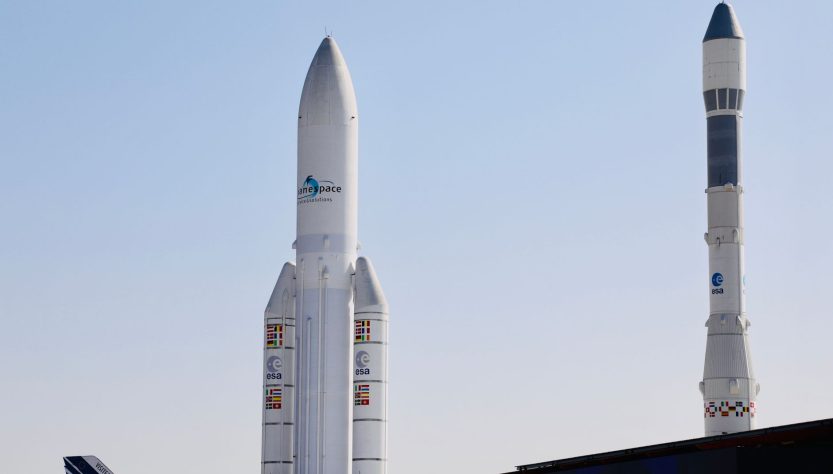
Cube Satellites Nuri Launch has successfully established contact with all nine satellites, showcasing advancements in space technology.
Overview of the Nuri launch
The recent launch of the Nuri rocket marked a significant milestone in the field of space exploration, particularly with the deployment of Cube Satellites. On the day of the launch, all nine Cube Satellites successfully made contact with their respective ground stations, signaling a successful entry into their designated orbits.
This achievement not only highlights the capabilities of the Nuri launch vehicle but also underscores the growing importance of Cube Satellites in modern space missions. These compact and cost-effective satellites are designed for a variety of applications, ranging from Earth observation to scientific research.
The Nuri rocket, developed by the Korea Aerospace Research Institute, successfully lifted off from the launch site, showcasing advancements in technology and engineering. Following the launch, initial data confirmed that each Cube Satellite was functioning as intended, which is a testament to the meticulous planning and execution of the mission.
Among the satellites deployed, several are expected to contribute to vital research on climate change and disaster management. The success of the Nuri launch and its Cube Satellites paves the way for future missions and strengthens the role of small satellite technology in the global space landscape.
Significance of Cube satellites
The successful launch of the Cube Satellites aboard the Nuri rocket marks a significant milestone in the realm of satellite technology and space exploration. These small, cost-effective satellites are revolutionizing how data is collected and transmitted from space.
Cube satellites, often referred to as CubeSats, have gained popularity due to their compact size and versatility. Their significance can be highlighted through several key points:
- Cost-Effectiveness: Cube satellites are much less expensive to build and launch compared to traditional satellites, allowing more organizations to participate in space exploration.
- Rapid Development: The modular design of CubeSats enables quicker development cycles, facilitating faster deployment of new technologies.
- Innovation Opportunities: Researchers and universities can experiment with new ideas and technologies in space, contributing to advancements in various fields.
- Global Collaboration: The accessibility of Cube satellites encourages international cooperation in space missions, fostering global partnerships.
The successful operation of the Cube Satellites from the Nuri launch not only showcases their potential but also underscores their importance in future space initiatives, paving the way for innovative applications and scientific discoveries.
Technical specifications of the satellites
The Cube satellites launched aboard the Nuri rocket are designed with cutting-edge technology to enhance their functionality and versatility in orbit. Each satellite features a compact design, typically measuring 10x10x10 cm, which allows for efficient deployment and operation.
Key technical specifications of the Cube satellites include:
- Mass: Each satellite weighs approximately 1.33 kilograms, ensuring they remain lightweight and easy to transport.
- Power Supply: Equipped with solar panels, these satellites can harness solar energy, providing a sustainable power source for their operations.
- Communication: The satellites utilize advanced communication systems, enabling them to transmit data back to Earth effectively.
- Payload Capacity: Each Cube satellite can carry a range of scientific instruments, allowing for diverse missions such as atmospheric monitoring and Earth observation.
- Deployment Mechanism: They are released from the Nuri rocket using a sophisticated deployment system, ensuring their safe entry into orbit.
This launch marks a significant achievement in the field of satellite technology, underscoring the capabilities of Cube satellites for future space exploration and research missions. The success of the Cube satellites Nuri launch demonstrates their potential to provide valuable data for scientific advancement.
Challenges faced during the launch
The Nuri launch, while celebrated for its success, was not without its challenges. The deployment of Cube satellites presented several hurdles that needed to be addressed prior to and during the launch.
- Technical Glitches: Initial countdowns were disrupted due to technical anomalies, which required quick troubleshooting by engineers and mission control to ensure the launch could proceed safely.
- Weather Conditions: Adverse weather conditions posed a significant risk. Strong winds and poor visibility were concerns that led to last-minute assessments, delaying the launch timing.
- Coordination Among Teams: The successful integration of multiple Cube satellites required meticulous coordination among various teams. Each satellite had specific requirements that needed to be harmonized with the launch vehicle’s systems.
- Post-Launch Communication: After the Nuri launch, establishing contact with all nine Cube satellites was crucial. Any delay in communication could have jeopardized the mission’s objectives.
Despite these challenges, the Nuri launch ultimately demonstrated resilience and adaptability, leading to the successful deployment and operation of the Cube satellites, marking a significant achievement in space exploration.
Future missions planned by South Korea
Following the success of the Cube Satellites Nuri launch, South Korea is already planning future missions aimed at expanding its capabilities in space exploration and satellite technology. These upcoming missions are expected to build on the achievements of the Nuri launch and enhance the country’s presence in the global aerospace sector.
Key plans include:
- Enhanced Communication Satellites: Future missions will focus on developing advanced communication satellites to improve connectivity and data transmission capabilities.
- Earth Observation Satellites: South Korea aims to deploy more Cube satellites for monitoring environmental changes, urban development, and disaster management.
- International Collaborations: There are plans to work with other nations on joint satellite missions, which will allow for shared resources and knowledge.
- Research and Development: Continued investment in R&D is essential for the advancement of satellite technology, with a focus on miniaturization and enhanced functionality.
As South Korea moves forward, the Cube Satellites Nuri launch serves as a clear indication of the nation’s growing expertise and ambition in the field of space exploration, promising an exciting future for its aerospace endeavors.
Impact on global space exploration
The successful launch of the Cube Satellites aboard the Nuri rocket marks a significant milestone in global space exploration. This achievement not only demonstrates South Korea’s growing capabilities in aerospace technology but also enhances international collaboration in satellite deployment.
Cube satellites, due to their compact size and affordability, have revolutionized access to space for various countries. Their versatility allows for a wide range of applications, from Earth observation to scientific research, fostering innovation across multiple sectors. The Nuri launch, which included nine Cube satellites, exemplifies this trend and showcases the potential for smaller nations to contribute to the global space economy.
As these satellites begin to operate, they will provide crucial data that can aid in environmental monitoring, disaster management, and even advancements in telecommunications. The impact of the Nuri launch extends beyond national borders, encouraging partnerships between South Korea and other nations interested in Cube satellites.
In summary, the successful deployment of Cube Satellites from the Nuri launch is a clear success story that will likely inspire future generations of engineers and scientists. It underscores the importance of innovation in space technology and its profound implications for our understanding of the universe.
Expert opinions on the success
Experts in the field of aerospace and satellite technology have weighed in on the recent success of the Cube Satellites Nuri launch. Many agree that the achievement marks a significant milestone for South Korea’s space program.
Dr. Emily Park, a satellite engineer, emphasized the importance of this launch, stating, “The successful deployment of Cube satellites demonstrates South Korea’s growing capabilities in space exploration. It not only enhances our technological landscape but also showcases our commitment to participating in global space initiatives.”
Furthermore, Dr. James Han, a prominent astrophysicist, noted, “The contact made by all nine Cube satellites is a testament to the meticulous planning and execution by the launch team. This accomplishment will pave the way for future missions and collaborations.”
Many experts also highlighted the potential applications of these Cube satellites, which range from Earth observation to communications technology. As we look to the future, the Cube Satellites Nuri launch serves as a clear success story that not only boosts national pride but also contributes to advancements in global space exploration.
In conclusion, the expert consensus is that the Cube Satellites Nuri launch is a defining moment for South Korea, setting a strong foundation for upcoming advancements in the field.
Conclusion and future outlook
In conclusion, the successful deployment of the Cube satellites during the Nuri launch marks a significant milestone for South Korea’s space exploration efforts. This achievement not only demonstrates the country’s growing capabilities in satellite technology but also reinforces its position in the global space community. The positive feedback from experts and the operational status of all nine Cube satellites highlight the meticulous planning and execution of the mission.
As South Korea looks ahead, the implications of the Nuri launch extend beyond immediate successes. The data collected from these Cube satellites will contribute to advancements in various fields such as climate monitoring, disaster management, and telecommunications. Furthermore, the experience gained from this mission will inform future satellite designs and launch strategies.
South Korea is already planning additional missions that could leverage the insights gained from the Cube satellites. These future endeavors may include the development of larger and more complex satellites that can undertake more ambitious objectives. The progress made with the Nuri launch serves as a foundation for the next steps in South Korea’s space agenda, fostering a spirit of innovation and collaboration in the international arena.
- Enhanced satellite capabilities
- Increased investment in space technology
- Strengthened global partnerships
The Cube Satellites Nuri Launch has marked a significant milestone in space exploration, showcasing the potential of small satellite technology. As a result of the Cube Satellites Nuri Launch, researchers are optimistic about future missions and the data they will gather.
Photo by Léa Claisse on Pexels
References
Kyrgyzstan satellite launch: The Clear Mystery Behind It · Oppo Reno X features: Best Proven Specs to Expect · Amazon AI startup acquisition: Proven benefits for business